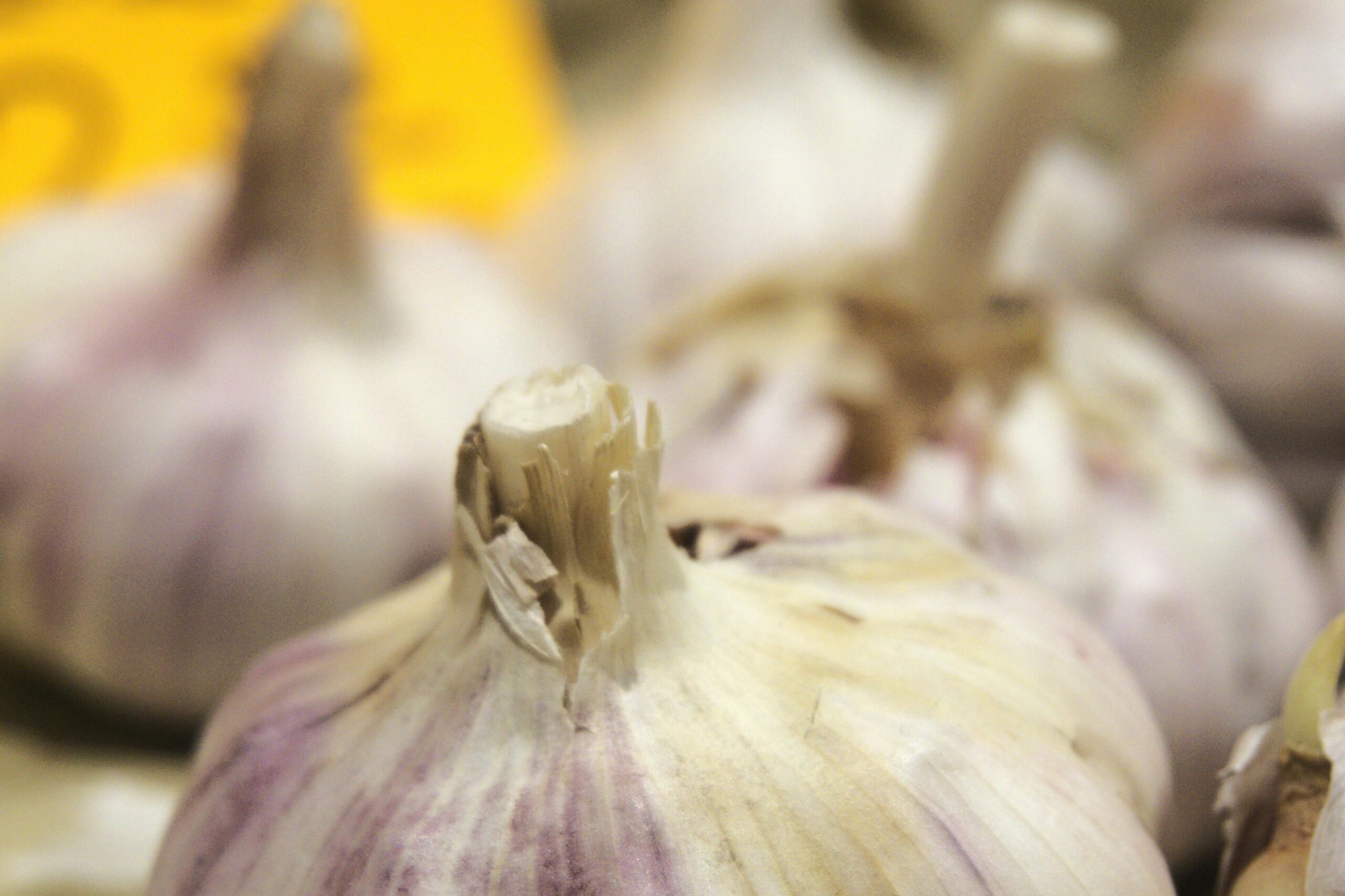
Garlic has long been celebrated as a cornerstone of Mediterranean cuisine. Its distinct aroma and bold flavor elevate dishes from Spain to Greece, Italy to Turkey, providing a delicious depth that defines many traditional recipes. Whether roasted, minced, or sautéed, garlic’s versatility makes it indispensable in Mediterranean kitchens.
The Mediterranean diet, renowned for its health benefits, heavily features garlic. Packed with antioxidants and offering natural antibacterial properties, garlic not only enhances flavor but also promotes wellness. This dual role has secured its place at the heart of Mediterranean cooking for centuries.
In Italian cuisine, garlic is often combined with olive oil and fresh herbs to create simple yet irresistible sauces like aglio e olio. Likewise, in Greek dishes such as tzatziki, garlic adds a sharp contrast to the creamy yogurt and cool cucumber. Spanish recipes frequently incorporate garlic in the classic sofrito base, building layers of flavor in paella and stews.
One cannot overlook the importance of garlic in Middle Eastern Mediterranean dishes either. Consider the beloved toum – a garlic sauce that’s both pungent and creamy, typically served alongside grilled meats and vegetables. Its punchy taste exemplifies how garlic can transform even the simplest meals.
For home cooks looking to explore Mediterranean flavors, start by experimenting with garlic in different forms. Roasting garlic mellows its intensity and adds a sweet nuttiness, perfect for spreading on bread or blending into soups. Raw garlic, meanwhile, delivers a pungent kick essential for dressings and marinades.
Overall, the role of garlic in Mediterranean cuisine goes beyond mere seasoning. It is a cultural staple, a health booster, and a culinary muse. Embracing garlic’s vibrant presence can truly unlock the essence of Mediterranean cooking in your own kitchen.




Leave a Reply