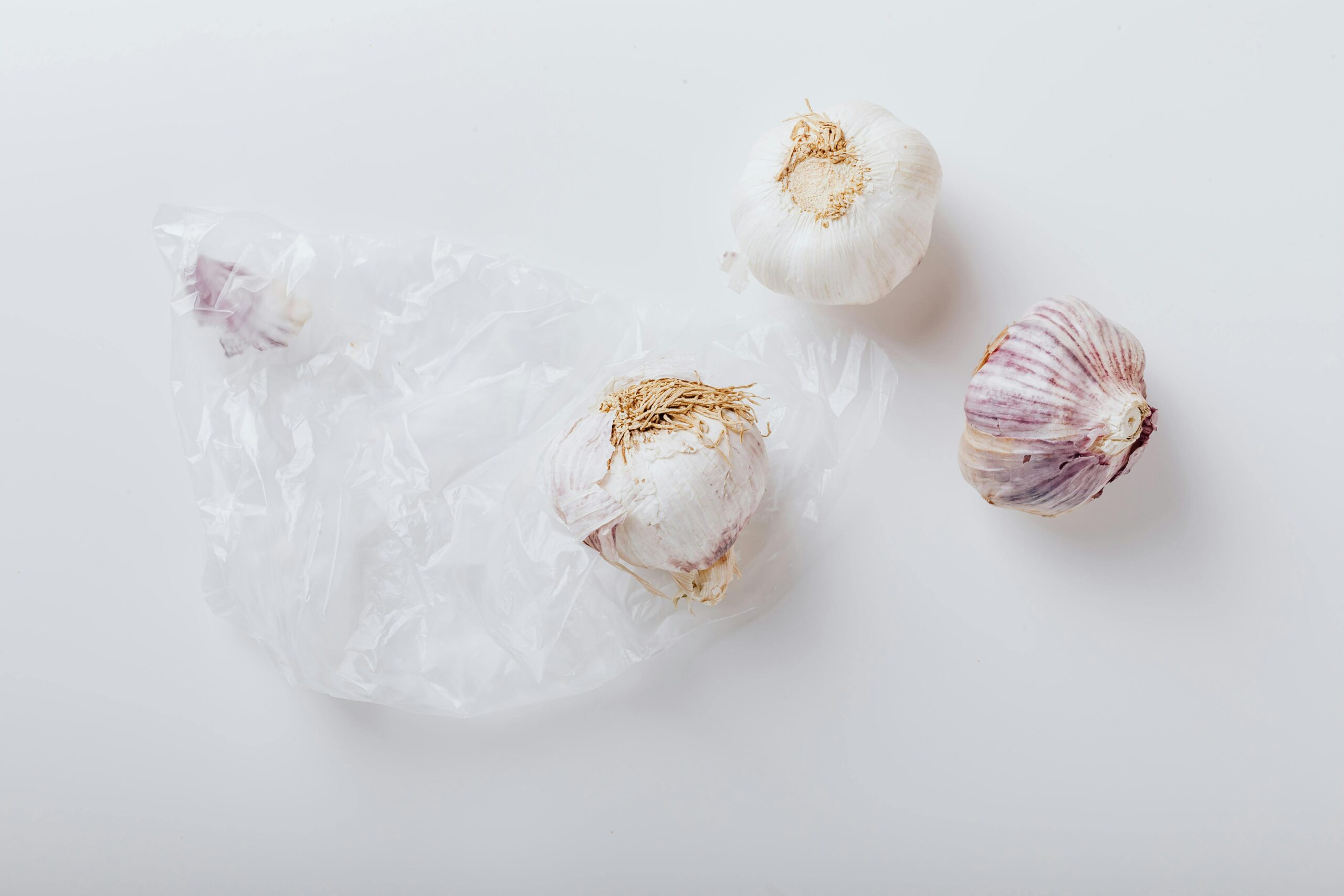
Hypertension, or high blood pressure, is a common health condition affecting millions worldwide. Managing blood pressure is crucial to prevent serious complications such as heart disease, stroke, and kidney problems. While medication plays a vital role in treatment, many people seek natural alternatives or complementary approaches to keep their blood pressure within a healthy range. One such natural remedy gaining popularity is garlic.
Garlic, known scientifically as Allium sativum, has been used for centuries not only as a flavorful ingredient in cooking but also as a medicinal plant. Its potential benefits for cardiovascular health, and in particular blood pressure control, have been supported by various scientific studies.

The active compounds in garlic, such as allicin, are believed to contribute to its blood pressure-lowering effects. Allicin is formed when garlic is crushed or chopped, releasing sulfur-containing compounds responsible for many of its health benefits. These compounds help relax blood vessels, improve blood flow, and reduce arterial stiffness, all of which contribute to lowering blood pressure.
A number of clinical trials have suggested that regular garlic supplementation can lead to modest reductions in systolic and diastolic blood pressure, especially in people with hypertension. For instance, a meta-analysis of randomized controlled trials concluded that garlic supplements reduced systolic blood pressure by an average of 8 to 10 mmHg and diastolic pressure by about 5 to 6 mmHg. This is comparable to the effect of some blood pressure medications, making garlic an attractive option for those interested in natural remedies.
It’s important to note that the form and dosage of garlic matter. Raw garlic, garlic powder, aged garlic extract, and garlic oil supplements have different concentrations of the active ingredients. Many of the studies showing positive effects have used standardized aged garlic extract supplements to ensure consistent dosing.
Despite the promising benefits, garlic should not be seen as a replacement for prescribed blood pressure medications without consulting a healthcare professional. Garlic can interact with certain medications such as blood thinners and may cause side effects in some individuals, including digestive discomfort and allergic reactions.
In addition to supplementation, incorporating garlic into your diet is a tasty and healthful way to potentially benefit your blood pressure. Adding fresh garlic to soups, salads, stir-fries, or roasted vegetables can enhance flavor and add heart-healthy properties.
Besides garlic, managing hypertension naturally involves a comprehensive approach: maintaining a balanced diet low in sodium, regular physical activity, stress reduction, weight management, and avoiding excessive alcohol consumption.
In conclusion, garlic offers a natural, accessible means to support blood pressure control. While it is not a cure-all, when combined with a healthy lifestyle and medical supervision, garlic may contribute to better cardiovascular health and reduced risk of hypertension-related complications.




Leave a Reply