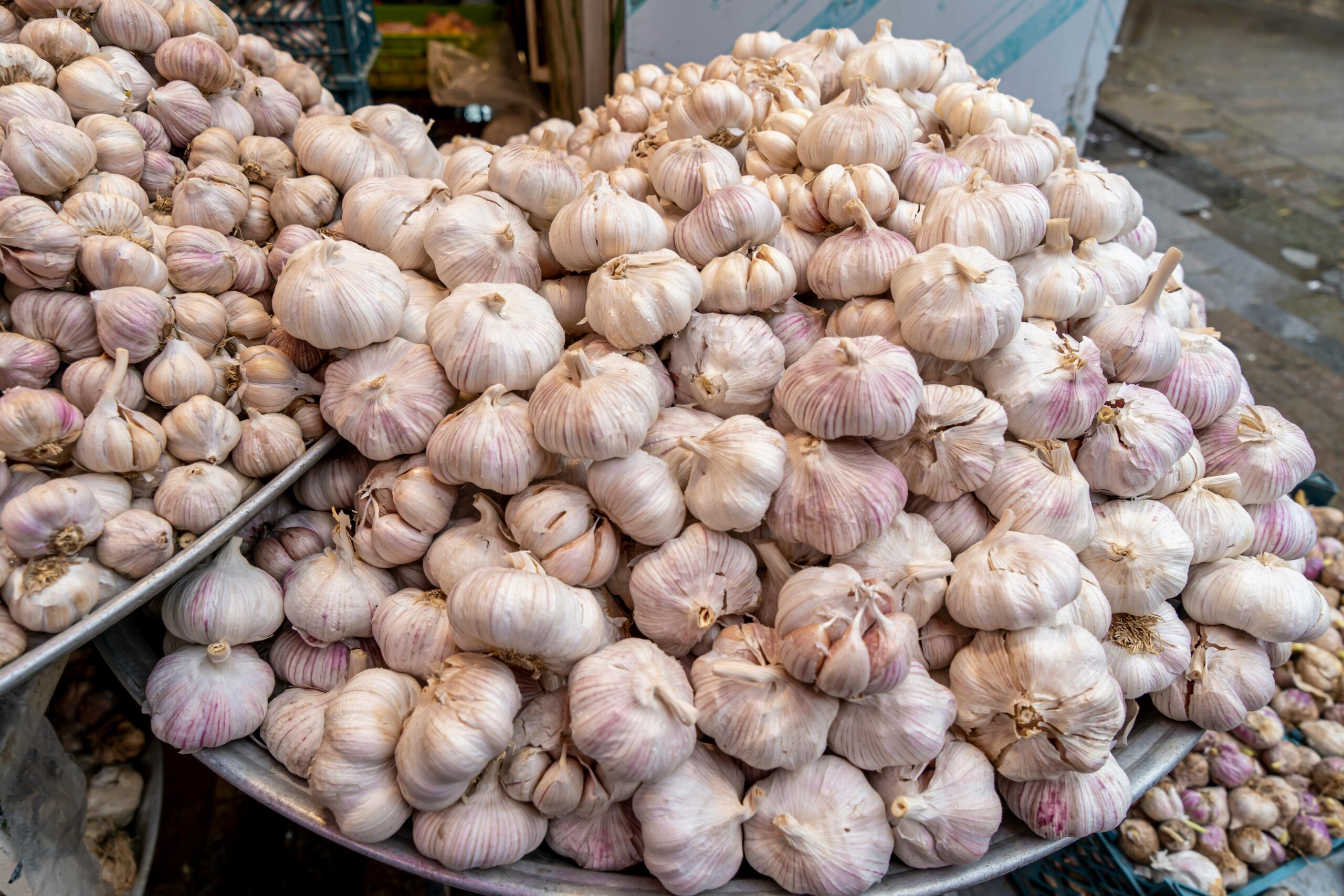
Garlic (Allium sativum) has been treasured for centuries, not only for its unique flavor in cooking but also for its remarkable health benefits. Among its many potentials, garlic’s antibacterial properties stand out as a natural way to combat harmful bacteria without resorting to synthetic antibiotics.
The antibacterial power of garlic primarily comes from a sulfur-containing compound called allicin. When garlic cloves are crushed or chopped, the enzyme alliinase is activated and converts alliin into allicin. This compound is highly reactive and is responsible for garlic’s pungent aroma as well as its ability to inhibit bacterial growth.
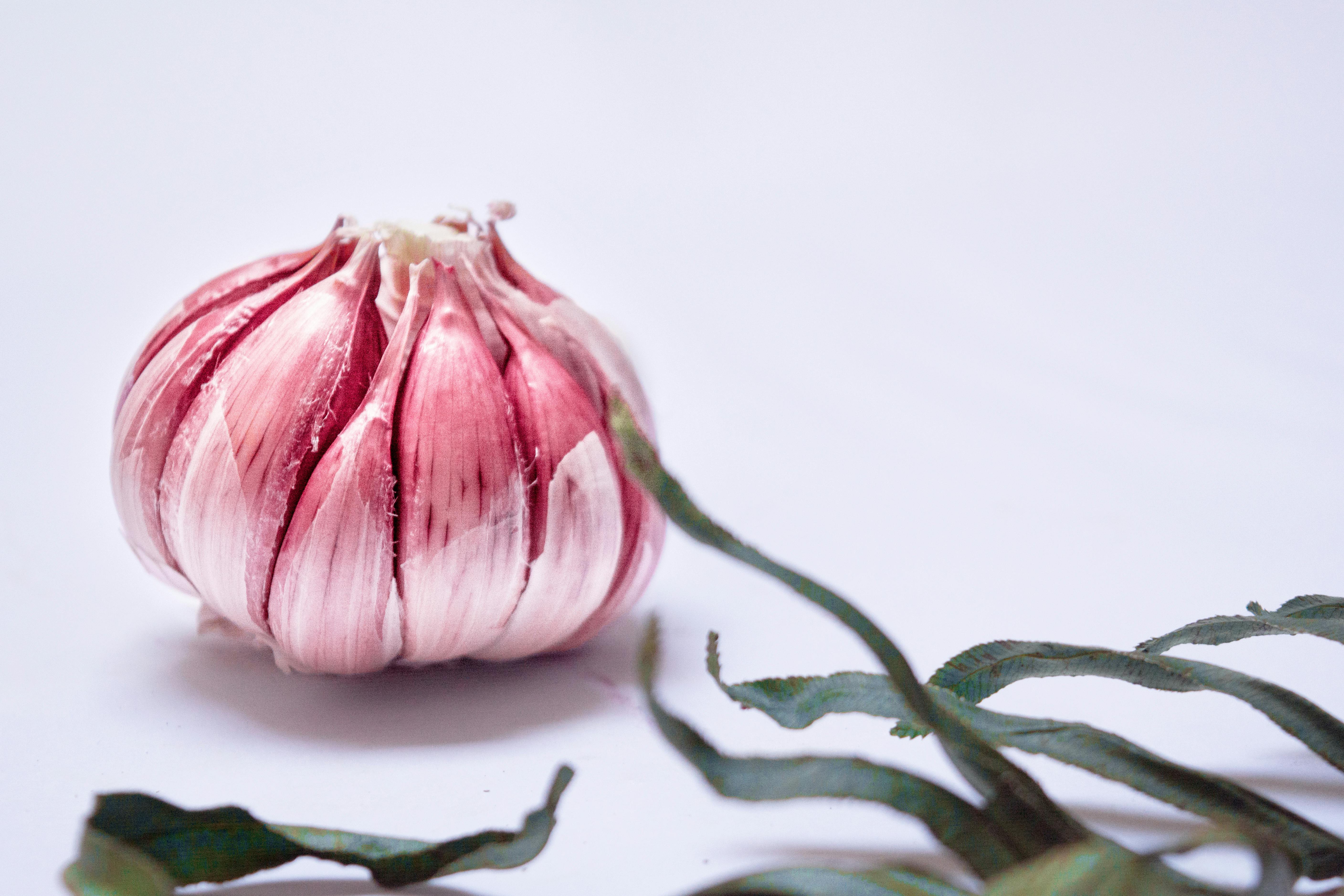
Research has shown that allicin exhibits activity against a wide range of bacterial strains, including some antibiotic-resistant types such as Staphylococcus aureus and Escherichia coli. In laboratory settings, garlic extracts have effectively suppressed the growth of these bacteria. This makes garlic a valuable complementary treatment for infections or as a preventive measure in everyday life.
Moreover, garlic’s antimicrobial effects extend beyond just bacteria. It has also demonstrated antifungal and antiviral properties, making it a holistic natural remedy for various pathogens. Incorporating raw garlic into the diet or using standardized garlic supplements can boost the immune system and support the body’s natural defenses.
However, it’s important to note that while garlic has promising antibacterial effects, it should not replace prescribed antibiotics for serious infections. Instead, it works best as a supportive agent. The bioavailability of allicin can also vary depending on how garlic is prepared—raw or crushed garlic provides the most potent effects, while cooking can reduce its effectiveness.
In conclusion, garlic presents an exciting natural option with antibacterial capabilities. Its accessibility, affordability, and multiple health benefits make it a practical choice to support wellness. As science continues to explore its compounds, garlic remains a timeless ally in the fight against bacterial pathogens.




Leave a Reply