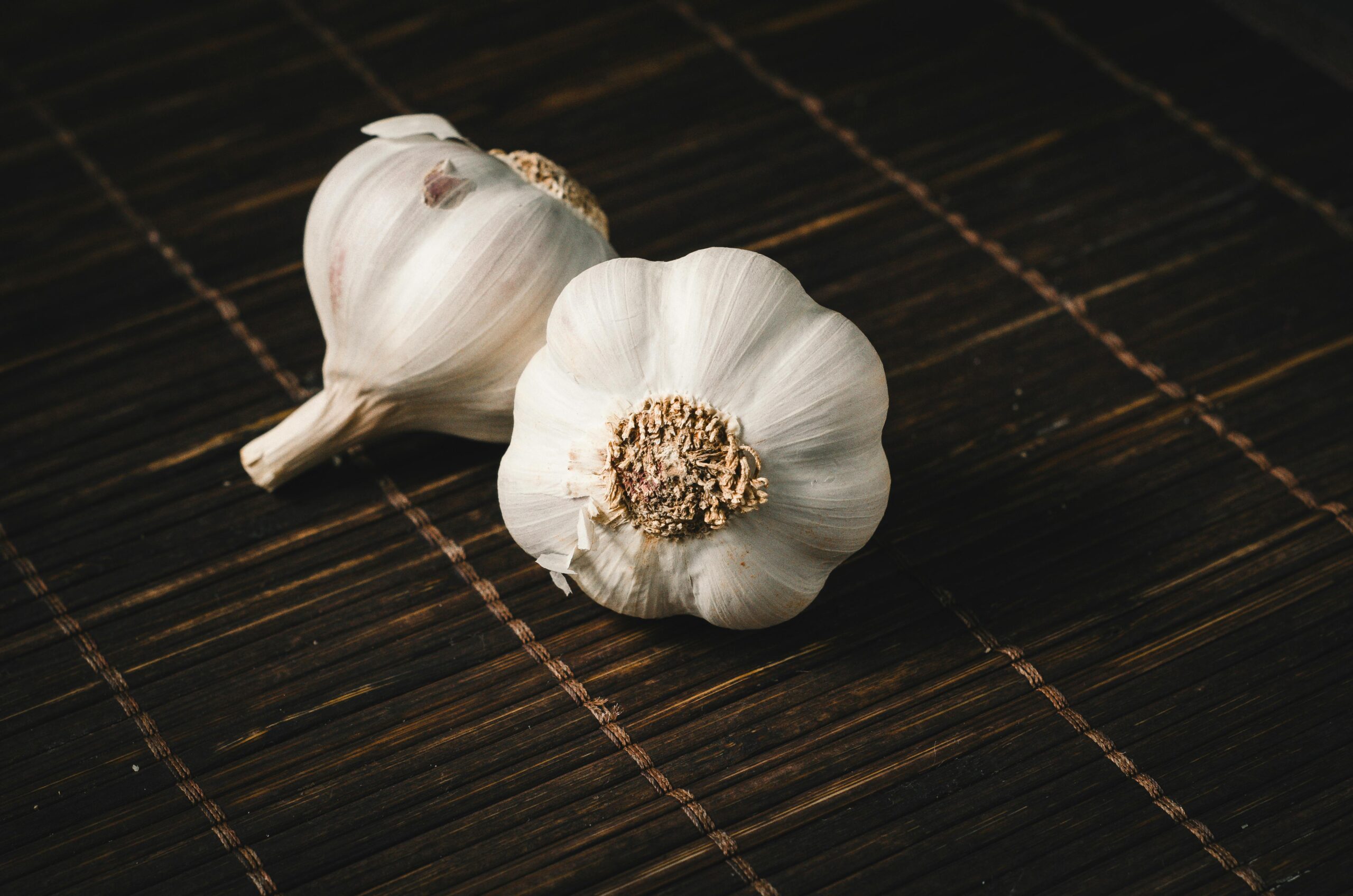
Garlic, known scientifically as Allium sativum, is one of the oldest cultivated plants in human history, valued not only for its pungent flavor but also for its medicinal and cultural significance. From ancient civilizations to modern kitchens, garlic has played a notable role across the globe.

Historically, garlic was highly prized in many ancient cultures. In Ancient Egypt, garlic was so treasured that it was even found in the tomb of Tutankhamun. The Egyptians believed garlic enhanced strength and endurance; consequently, it was commonly given to laborers building the pyramids. Texts from the period describe its use as a medicinal herb to treat various ailments including infections and digestive issues.
In Ancient Greece and Rome, garlic’s reputation as a health booster continued. Greek athletes consumed large amounts of garlic before competitions to improve performance and stamina. Roman soldiers took garlic before battle, believing it provided courage and strength. Galen, a prominent Greek physician, prescribed garlic for respiratory problems and parasites.
Throughout the Middle Ages, garlic remained a staple in European folk medicine. During the Black Plague, it was believed that garlic could ward off the deadly disease and protect against evil spirits. Its antiseptic properties made it a common home remedy for wounds and infections when formal medical knowledge was limited.
In traditional Chinese and Indian medicine, garlic played a vital role as well. It was used to improve heart health, stimulate circulation, and treat infections. Many ancient texts praised garlic’s ability to cleanse the body and boost immunity.
Today, modern science has validated many of garlic’s historical uses. Studies have demonstrated its antibacterial, antiviral, and antioxidant properties, confirming its benefits for cardiovascular health and immune support. Garlic remains a beloved ingredient in global cuisines and continues to be valued as a natural remedy.
In conclusion, garlic has been much more than just a flavorful food ingredient through the ages. Its rich history underscores a fascinating blend of cultural, medicinal, and culinary importance. Recognizing its historical uses enriches our appreciation for this humble yet extraordinary plant.




Leave a Reply